|
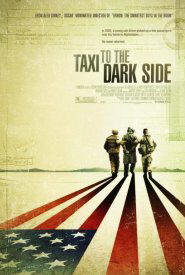
Taxi To The Dark Side Reviewed By Rich Drees
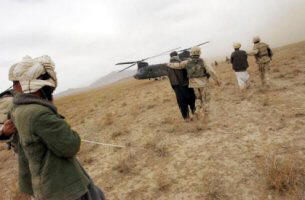
It came as a shock, then when Dilawar was apprehended by US soldiers in 2002 in alleged connection with a rocket attack. Taken to a detention camp, Dilawar was dead a week later, beaten to death by soldiers during “interrogation sessions.”
Such is the starting point for Oscar-nominated director Alex Gibney’s latest documentary, an examination of the current administration’s fairly loose and hard to define policies regarding torture. It is a harrowing and unflinching look and one that should infuriate any one with a conscious.
At a former Afghan army base turned detention center in Bagram, Dilawar was taken and beaten to a point where his muscles were turned to jelly. A press release stated that he died of “natural causes,” while the autopsy report listed the cause of death as homicide.
Gibney explores the culture that has allowed such things to happen at Bagram and than, more infamously, at Abu Ghraib, where the commander of the Bagram interrogation group can be awarded a Bronze Star for her work before receiving her new assignment- overseeing the newly created prison and interrogation unit at Abu Ghraib. Interviews with Dilawar’s interrogators, some of whom seem to show no remorse for what they did though they were convinced he was innocent, are augmented with graphic photos of torture victims in both Afghanistan and Iraq. Some of these pictures we have seen before on the news, but Gibney presents them unblurred and unedited. They speak volumes.
Should the blame for the culture that now exists that has allowed these atrocities to happen be placed at their feet? Gibney seems to think so and closes the film with the admonishment that in times of war we need to be better than our enemy. It was words of advice that he received from his father, a World War II naval interrogator. |
 Dilawar was, by all accounts from his neighbors, a good and honest
man. While the others in his Afghan village would toil in the peanut
fields, Dilawar would drive up to the mountains to find stones for a
wall that need to be built. As one of the very few car owners in the
area, Dilawar also drove a taxi service for the countryside. By all
accounts, a good man.
Dilawar was, by all accounts from his neighbors, a good and honest
man. While the others in his Afghan village would toil in the peanut
fields, Dilawar would drive up to the mountains to find stones for a
wall that need to be built. As one of the very few car owners in the
area, Dilawar also drove a taxi service for the countryside. By all
accounts, a good man.